
Getting started
How to Start a One Piece Card Collection
Your first One Piece collection can start with one character, one set, or a handful of cards you love looking at. You do not need an expensive booster box or a manga rare to make it worthwhile. A clear goal, a comfortable budget, and somewhere safe to keep your cards will take you further than buying every new release.
Choose a goal you can finish
Start with something specific: a page of your favourite Straw Hats, one card of each member of a crew, or the standard cards from a particular set. A small goal gives every purchase a purpose and makes it easier to recognise progress.
Collecting a character across many sets is different from completing one release. The first lets you follow artwork you enjoy; the second gives you a defined checklist. Neither requires collecting every premium version. You can decide later whether alternate arts belong in your collection.
Before buying, browse the artwork. A set’s reputation matters less than whether you want to keep its cards.
Learn what you are buying
A booster pack contains a random selection of cards. A display, commonly called a booster box, contains multiple packs. Starter decks offer a specified deck, although additional contents vary by product. A single is an individual card bought directly.
Check the exact product and language before ordering. Bandai’s official product directory separates decks, boosters, and other releases, making it a useful place to confirm what a product actually contains.
If you want to learn the game as well as collect, a starter deck can give you a practical beginning. If you already know which artwork you want, buying that single gives you certainty.
Give your budget three jobs
Divide your spending between cards you have chosen, packs you want to open for fun, and protection. For example, a hypothetical €60 monthly budget could allocate €35 to singles, €15 to packs, and €10 to sleeves or storage. Those amounts are a planning example, not current product prices.
Include delivery in your calculations. Several small orders can cost more than one slightly higher-priced order from a single seller. Keep a little room for an unexpected favourite, but avoid using the next month’s budget to keep opening packs.
Buy a few cards and learn from them
For your first purchases, choose a seller with clear descriptions, useful photographs, and an established transaction history. Match the card number, artwork, language, and condition. Different versions of the same character can look similar in a small listing image.
When the cards arrive, compare them with the listing, inspect both sides, and sleeve them before putting them away. Keep purchase records, particularly for more valuable cards.
Build the habit of tracking
Record new cards while the purchase is still fresh in your mind. Keep your owned cards separate from your wish list, and update quantities when you trade or sell. An accurate collection record helps you avoid buying the same printing twice by accident.
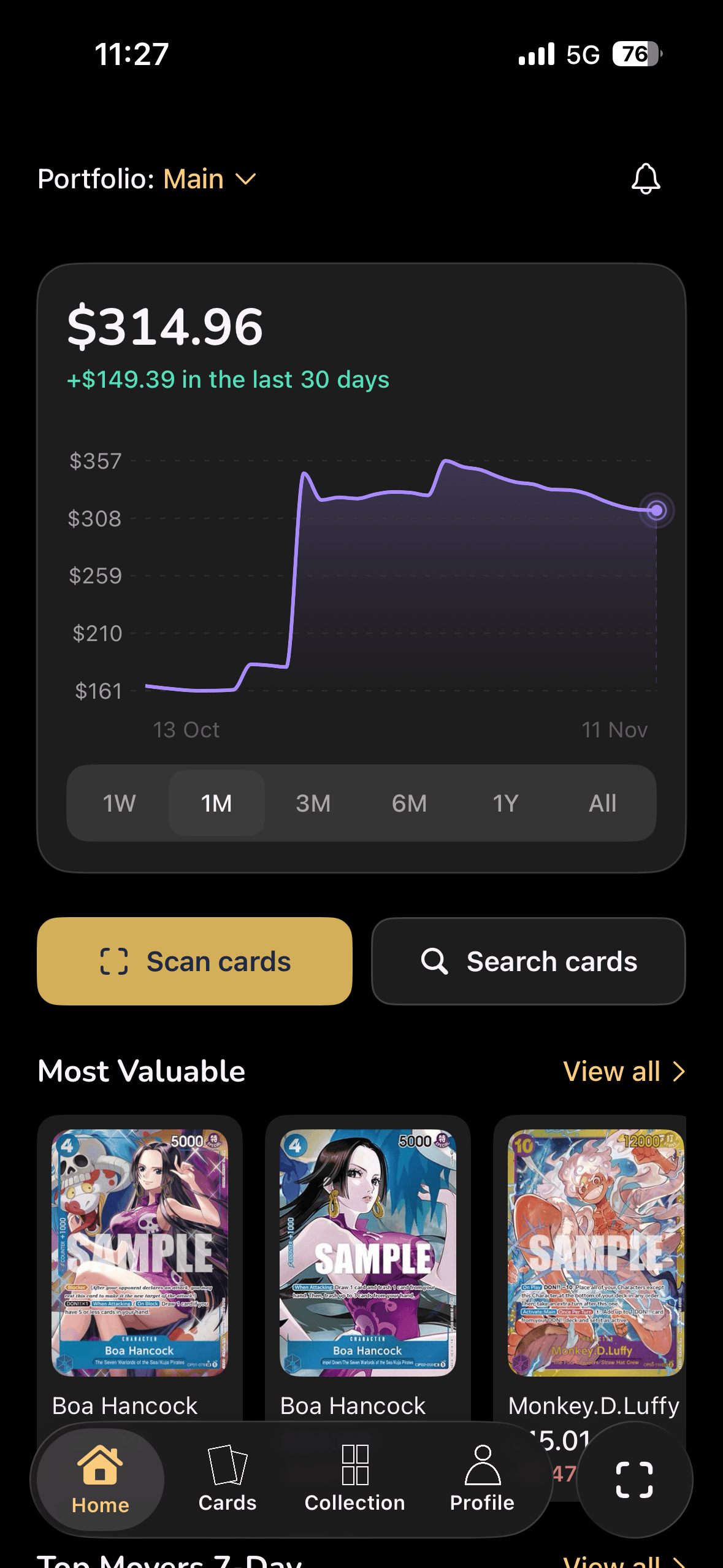
In OneDex, search for the printing you own, check its card details, and add the correct quantity to your portfolio. Start with the cards already on your desk; you can expand your collecting goals as you discover what you enjoy.
Common questions
Do I need to start with the first set? No. Choose a set or theme you like and can afford to collect.
Should I buy a box straight away? Only if opening it is part of the experience you want. You can begin with singles and leave sealed products for later.
Can I mix languages? Yes, for a personal collection. Keep track of each version separately, and check tournament rules if you also intend to play.
Put the guide into practice
Open an English card or set to check the details alongside this guide.
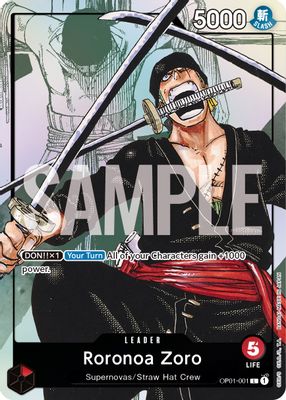

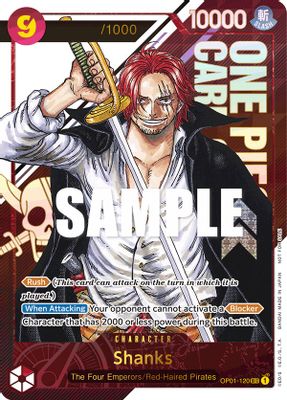
TCGplayer market estimates. Condition and grading affect value.
 OneDex FOR IPHONE
Your next chapter starts with a scan.
Put your collecting plans into practice. Scan your cards, organise what you own and follow your collection’s value with OneDex.
Scan · Collect · Follow its value
Download on the App StoreTake a look inside