
Getting started
Japanese vs. English One Piece Cards: What Collectors Should Know
Japanese and English One Piece cards can both belong in a rewarding collection. The better choice depends on what you want to read, display, play, and eventually trade. Compare specific printings and products instead of assuming one language is always cheaper, rarer, or better made.
For a first collection, choosing one language per set makes the checklist easier to manage. A character collection can be more flexible if you enjoy different versions side by side.
Start with how you will use the cards
If your main interest is artwork, choose the versions you enjoy owning. If you read English and want to understand effects directly from the card, English may be more convenient. If the Japanese presentation is part of the appeal, that is a valid collecting preference too.
Playing in organised events introduces a separate question: which versions are permitted in your region? A translation beside a card does not automatically make it eligible.
Bandai’s published regional language rules list English cards for North America, Latin America, Europe, and Oceania, among other regions, while Japanese cards are permitted in the specified Asian regions. French cards are also permitted in Europe under that policy. Consult the official language rules and the event’s current rules before building a tournament deck.
Compare like with like
Begin with the same character, card number, and artwork treatment. Confirm that both listings refer to the versions you intend to compare. A standard English card and a Japanese premium parallel are different products, even if the character and number match.
Then compare condition, delivery, seller location, and any import charges shown or applicable to the order. A lower headline price can become a higher total once the card reaches you.
Do not use a fixed exchange multiplier to convert one language’s market price into another’s. They have different buyers and availability. Currency conversion changes the unit of account; it does not make two markets identical.
Read sealed-product specifications separately
Similar packaging artwork does not guarantee identical pack contents, pack counts, bonuses, or distribution. Check the specific language’s official product page and the actual item description before buying.
Likewise, confirm release timing for the product you want. Historical release patterns are not a reliable promise about the next set. Bandai provides regional sites through its official product directory, so use the relevant version rather than relying on an old comparison article.
The same care applies to promotional releases. Match the distribution and printing instead of assuming every language has an exact equivalent.
Judge the copy in front of you
Avoid broad claims that every Japanese card has better centering or every English card is easier to sell. Inspect the actual copy and look at recent transactions in the market you expect to use.
For resale, consider how many relevant buyers appear to be active, what shipping would involve, and whether you can describe the printing accurately. Popularity in a large international marketplace does not necessarily translate into a quick local sale.
If you plan to keep the card, resale convenience may be less important than enjoying it. Decide which consideration matters before stretching your budget for a different language.
Keep mixed collections organised
Record language alongside the printing in your inventory. Avoid combining visually similar copies into one undifferentiated quantity, particularly when comparing values or preparing a sale.
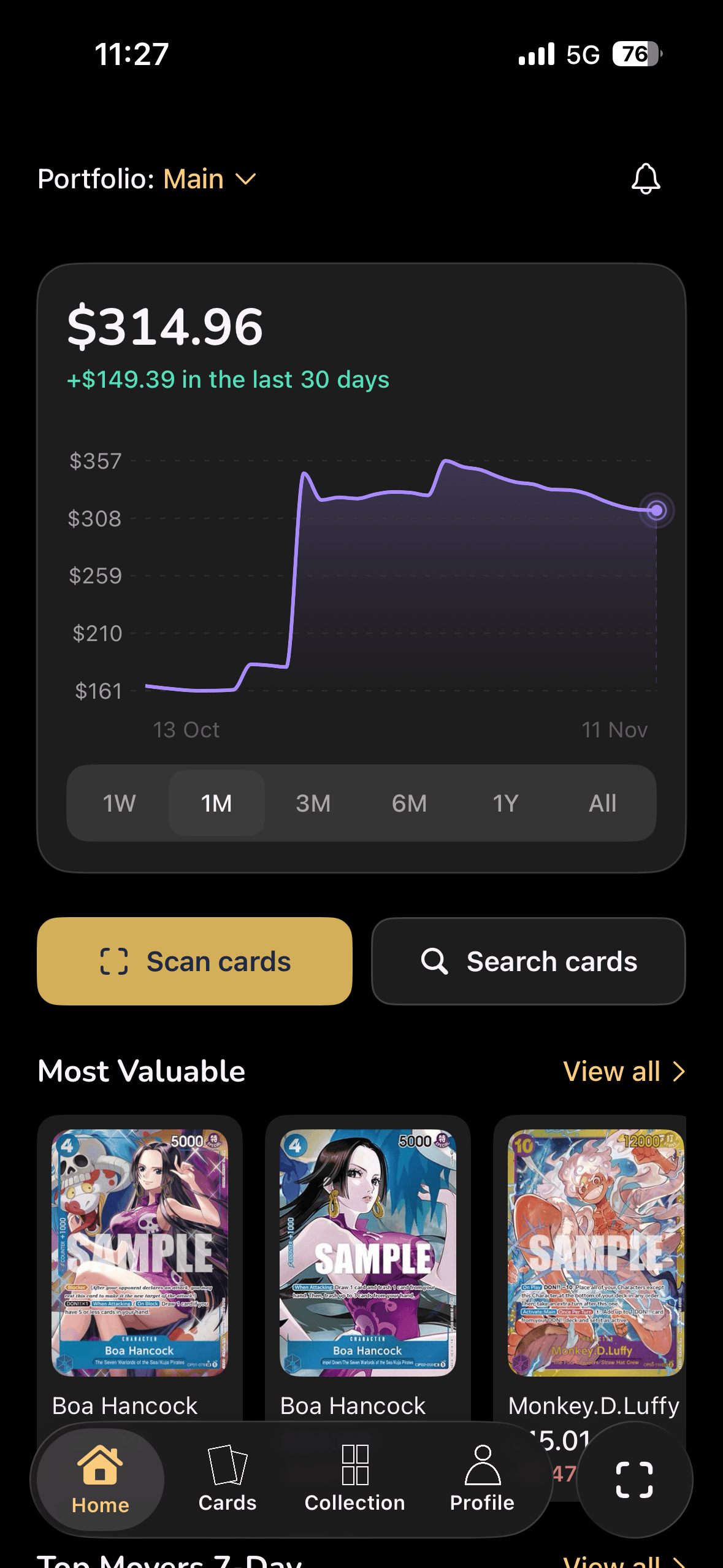
When adding a card to OneDex, confirm that the catalogue entry matches the copy you own. Do not use an English entry as a pricing substitute for a different-language card that is not represented by that entry.
Common questions
Are Japanese cards always cheaper? No. Compare the exact versions and total purchase cost.
Can I collect both languages? Yes. Clear inventory records will help you keep printings and values separate.
Can I play either version anywhere? No. Language eligibility depends on the region and event rules.
Put the guide into practice
Open an English card or set to check the details alongside this guide.
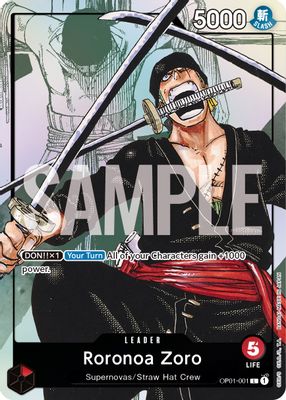
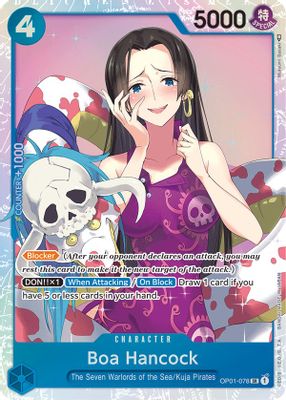
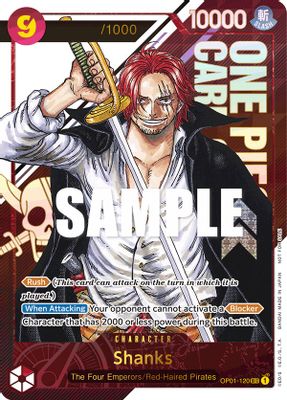
TCGplayer market estimates. Condition and grading affect value.
 OneDex FOR IPHONE
Your next chapter starts with a scan.
Put your collecting plans into practice. Scan your cards, organise what you own and follow your collection’s value with OneDex.
Scan · Collect · Follow its value
Download on the App StoreTake a look inside