
Getting started
How to Complete a One Piece Card Set
Completing a set is satisfying because every card has a place and every new addition closes a visible gap. The most useful decision comes before your first purchase: define what you mean by “complete.”
One collector may want one standard version of each numbered card. Another may include every parallel, special treatment, and associated promo. Those are very different projects, even when the set name is the same.
Write your completion rule
Choose the language and release first. Then decide whether your checklist includes standard cards only, selected alternate arts, every in-product variant, or additional promotional items associated with the release.
“Master set” is not a sufficiently precise description on its own. If you use the term, write down the exact scope. Decide explicitly how you will treat box toppers, DON!! cards, event stamps, and separately distributed promos.
A useful rule might be: “One standard printing of each card in this English booster release, including Leaders and Secret Rares; alternate arts and separately distributed promos are optional.” That sentence gives you a finish line.
Build the checklist before the binder
Use the relevant official card list to establish which cards belong to the release. Account for reprints: a card appearing in a later product may retain an earlier card number. The printed prefix alone is not a complete release checklist. Bandai’s official card list.
For each entry, record the number, name, printing, and whether you own it. A spreadsheet or paper checklist is enough. Add a separate field for ordered cards so you do not buy them again before delivery.
Plan your binder layout from that checklist. Leaving intentional gaps makes missing cards obvious, and keeping optional variants in a separate section prevents them from obscuring your main goal.
Build a foundation, then fill gaps
You may enjoy opening some packs first. Alternatively, a clearly described group of standard cards can give you a starting point. Before buying a bundle, check its contents and condition rather than assuming “complete” means what you mean.
Once your collection has a foundation, compare the cost of missing singles with the cost and uncertainty of more packs. Opening duplicates can still be enjoyable, but it may contribute little to the remaining checklist.
Keep duplicates organised separately. They are easier to trade or sell when you know which printing and quantity you have.
Track cost as well as card count
Completion percentage does not tell you the remaining budget. A collection missing only a few premium cards may still require most of its planned spending.
As a hypothetical example, owning 90 of 100 checklist entries means you are 90% complete by count. If the ten missing entries cost €200 delivered, that is the relevant next decision—not the fact that the empty spaces occupy only 10% of the binder.
Review the missing-card estimate before each order. Combine purchases when delivery savings justify it, but do not add unwanted cards just to reach a free-shipping threshold.
Finish on your terms
Condition matters more when you are comparing the final expensive cards. Ask for photographs where needed and decide whether you prefer a clean copy, a more affordable worn example, or an empty slot for now.
You can also revise your goal. Removing a premium parallel from your personal checklist is a collecting decision, not a failure. Record the change so your definition stays consistent.
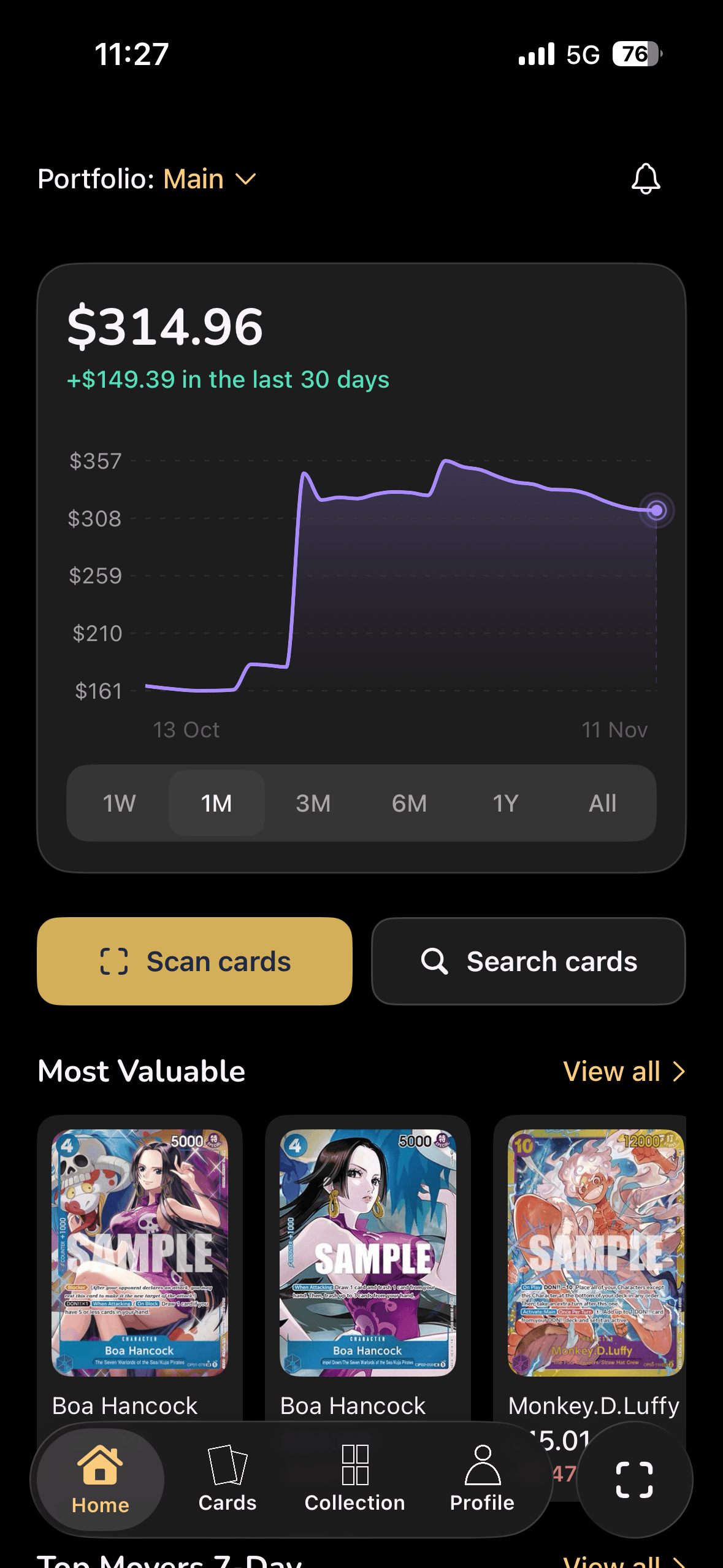
Use OneDex to keep the cards and quantities in your portfolio accurate while your separate checklist tracks the completion rule you chose.
Common questions
Do I need four copies of each card? Only if that is your goal. A one-of-each collection is different from building a playset.
Do parallels count? They count if you included them in your scope. There is no need to adopt another collector’s definition.
Put the guide into practice
Open an English card or set to check the details alongside this guide.


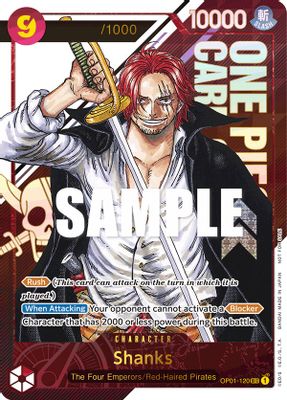
TCGplayer market estimates. Condition and grading affect value.
 OneDex FOR IPHONE
Your next chapter starts with a scan.
Put your collecting plans into practice. Scan your cards, organise what you own and follow your collection’s value with OneDex.
Scan · Collect · Follow its value
Download on the App StoreTake a look inside