
Buying & protecting
How to Spot Fake One Piece Cards
No single photograph or home test can prove that every One Piece card is genuine. The strongest approach combines an exact printing match, careful inspection, a credible seller, and a purchase method with appropriate protection.
The aim is to spot inconsistencies before you pay. When the evidence is weak, you do not need to solve the mystery yourself: you can leave the purchase alone.
Confirm that the printing exists
Start with the card’s number, language, and artwork. Compare the listing with the relevant official release or card list. Make sure the seller is offering an actual Bandai printing rather than a custom design, proxy, or unofficial metal card.
Bandai’s official card list is a reference for released designs and card details. Its digital images help identify a version, but they cannot authenticate the physical item in a seller’s hands.
Read the complete listing. Terms such as “custom,” “fan-made,” and “proxy” can be easy to miss beneath a large character name and an attractive image.
Ask for photographs of the actual card
Request a clear front, back, and close view of the corners and edges. For a premium foil or textured printing, ask for photographs or a short video with the card tilted under light. A stock image does not show the item you will receive.
Look for inconsistent lettering, misplaced symbols, blurred fine details, unusual borders, and artwork that does not match the claimed version. Compare against the same language and printing wherever possible.
Colour alone is weak evidence. Lighting, cameras, sleeves, and image processing can all change how a card appears. Likewise, wear or an off-centre cut is not automatically evidence of a counterfeit.
Treat texture as one clue
Some premium treatments have distinctive surface details, but the expected finish depends on the printing. A blanket rule such as “every valuable One Piece card must feel like this” is unreliable.
If you have a known genuine example of the same version, compare them under similar lighting. If you do not, avoid making a confident verdict from one surface feature. A local specialist or reputable authentication service may be useful for a purchase large enough to justify the extra effort.
Do not bend, tear, scrape, soak, or chemically test a card. Destructive tricks can ruin a genuine copy and do not provide a dependable collecting method.
Check the seller as carefully as the card
Look for a consistent selling history and feedback relevant to collectible cards. Be cautious when a seller refuses additional images, rushes you into paying, or asks you to move outside the marketplace’s normal purchase process.
A low price is a reason to investigate, not proof of fraud. A high price is not proof of authenticity either. Decide what evidence you need before becoming attached to the deal.
For graded cards, check the certification number on the grading company’s own website and compare the description and any available images. PSA explicitly warns that genuine certification numbers can be copied onto counterfeit labels. A successful lookup is one check, not a guarantee. PSA certification verification.
If a purchase looks wrong
Keep the packaging, listing, payment record, and messages. Photograph the concern and use the seller’s or marketplace’s dispute process within its stated deadlines. Avoid altering the card or passing it on as genuine while its authenticity is unresolved.
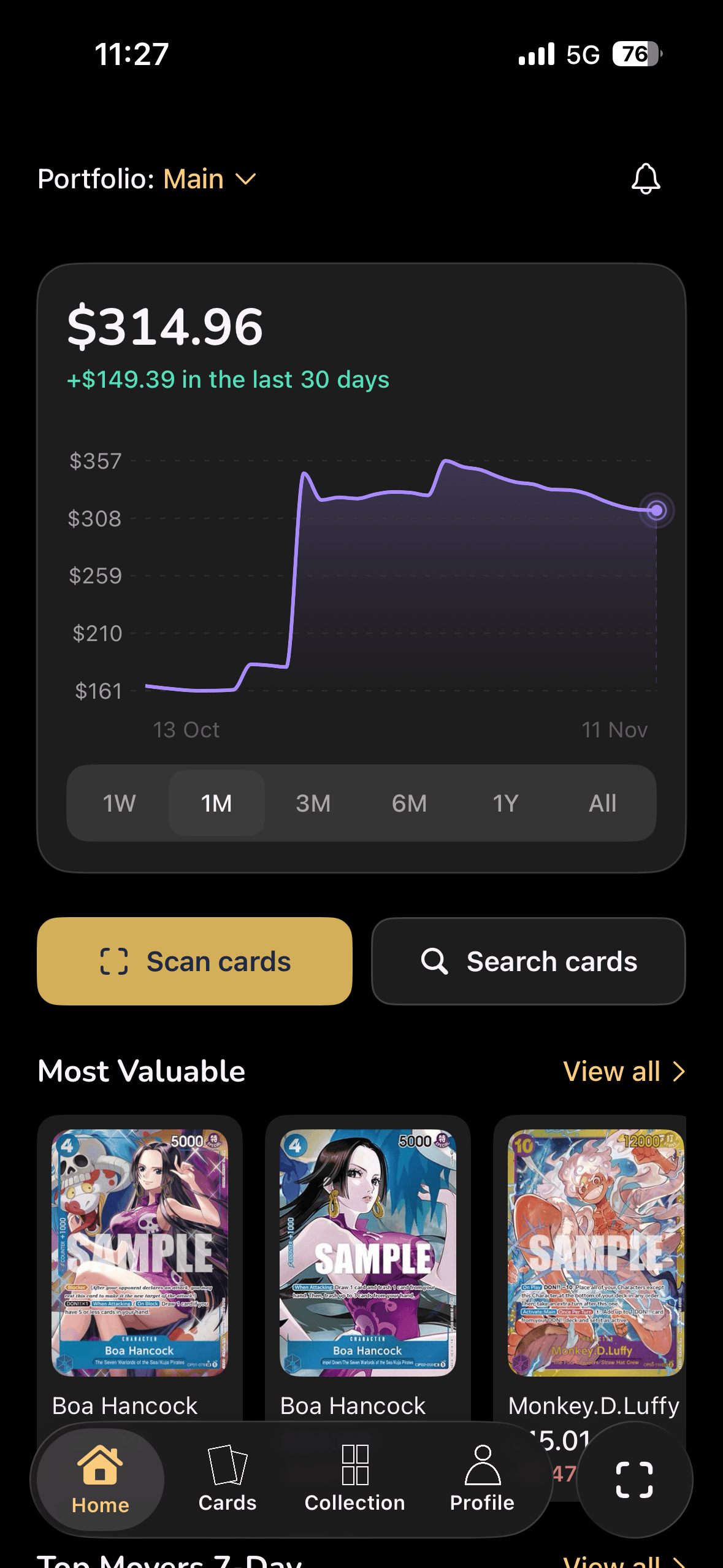
Use OneDex to identify the printing you are comparing. A catalogue match supports identification; it does not authenticate a physical card.
Common questions
Can a barcode or QR code prove authenticity? No. Codes can be copied, so check the item and seller as well.
Are all unofficial cards counterfeit? An openly described custom card is different from an item falsely sold as an official printing. It still should not be confused with an official collectible.
Put the guide into practice
Open an English card or set to check the details alongside this guide.
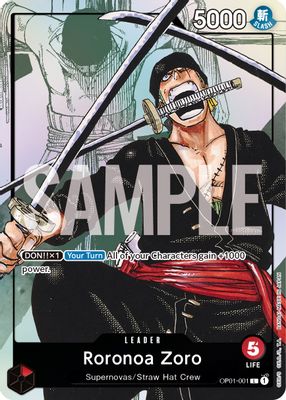


TCGplayer market estimates. Condition and grading affect value.
 OneDex FOR IPHONE
Your next chapter starts with a scan.
Put your collecting plans into practice. Scan your cards, organise what you own and follow your collection’s value with OneDex.
Scan · Collect · Follow its value
Download on the App StoreTake a look inside