
Buying & protecting
Should You Grade Your One Piece Cards?
Grading can give a favourite card an authenticated identity, a professional condition assessment, and a protective holder. It also costs money, takes time, and produces an outcome you do not fully control. The right decision starts with why you want the card graded.
A sentimental card can be worth submitting even if its resale price never covers the fee. A submission intended for resale needs a different calculation.
Decide what success means
You might want a consistent display, independent assessment of a valuable card, or a graded copy for a long-term collection. Write that reason down before looking at top-grade sale prices.
If your main goal is resale, ask whether the likely outcome still makes sense below the highest grade. A plan that works only if every card receives a 10 leaves little room for manufacturing defects, overlooked damage, or a grader’s judgment.
Inspect before submitting
Check the front and back under good light. Look for corner wear, edge chips, scratches, print lines, dents, stains, and centering issues. Turn the card gently so surface flaws become visible.
PSA’s standards assess factors such as corners, surface, focus, and centering. CGC also describes a grading scale and authenticity or alteration designations. Read the chosen company’s criteria rather than assuming labels and outcomes are interchangeable. PSA grading standards, CGC grading scale.
A home inspection helps you make a decision; it cannot guarantee a grade. Do not trim edges, recolour wear, polish the surface, or chemically clean the card. PSA states that evidence of alterations can make a card ineligible for grading. PSA’s alteration policy.
Calculate the full submission cost
Include the service fee, shipping both ways, appropriate insurance, packaging, and any membership, intermediary, tax, or customs costs relevant to your submission. Check current pricing and instructions directly with the service you choose.
For a resale decision, compare the graded sale proceeds with what you could receive by selling the card raw today. Your original purchase price alone is not the right baseline: the raw card already has value you give up by sending it away.
Consider this hypothetical example:
| Outcome | Calculation | Result |
|---|---|---|
| Sell raw now | €100 sale − €10 selling costs | €90 proceeds |
| Grade and sell at a higher result | €170 sale − €20 selling costs − €40 submission costs | €110 proceeds |
| Grade and sell at a lower result | €115 sale − €15 selling costs − €40 submission costs | €60 proceeds |
These figures illustrate the decision, not current fees or market values. The higher result adds €20 compared with selling raw; the lower result leaves €30 less. You also need to consider time and uncertainty.
Choose a service around your card and goal
Confirm that the company accepts your exact type of card and offers the service you need in your location. Compare published standards, total costs, turnaround estimates, verification tools, and recent sales for that company’s holders if resale matters.
Follow its current submission and packing instructions precisely. Photograph your card before sending it, keep a record of the submission, and retain shipping documentation. If using an intermediary, understand who handles the card, payment, insurance, and any claim.
Consider buying an already graded copy
If your real goal is owning a particular card in a particular grade, compare the price of buying one already graded. That removes uncertainty about the grade, though you still need to check authenticity, holder condition, certification, and seller credibility.
Sometimes keeping your existing card raw is the most satisfying choice. Suitable sleeves and storage can protect a personal collection without the submission process.
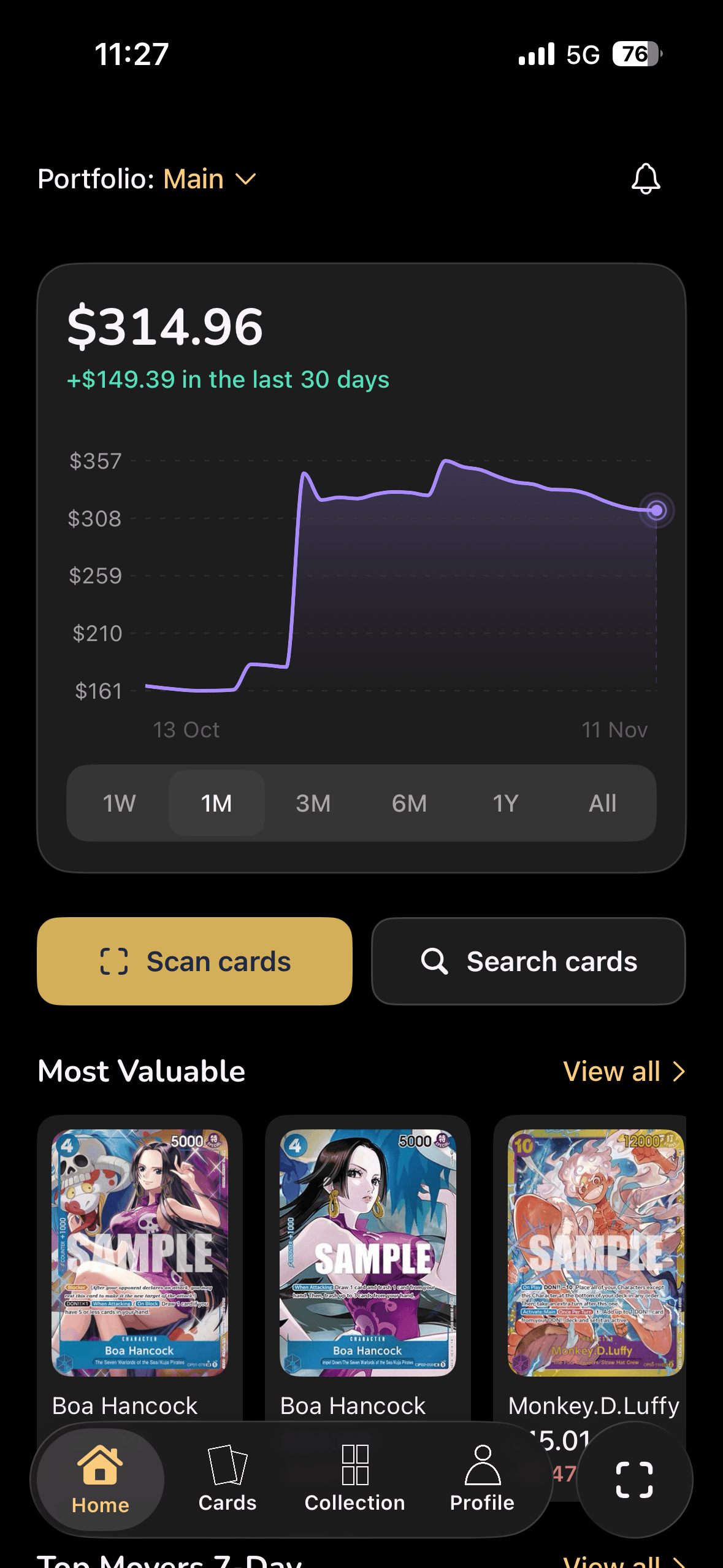
Use OneDex to keep track of the underlying printing and review available raw-card pricing. When assessing a graded copy, use comparisons for its specific company and grade rather than treating a raw reference price as a slab valuation.
Common questions
Does pack-fresh mean a guaranteed 10? No. A newly opened card can have manufacturing defects.
Will grading always increase value? No. The outcome may not cover submission and selling costs.
Should I grade a low-value favourite? It can make sense for personal enjoyment. Treat the cost as part of owning and displaying something you care about.
Put the guide into practice
Open an English card or set to check the details alongside this guide.
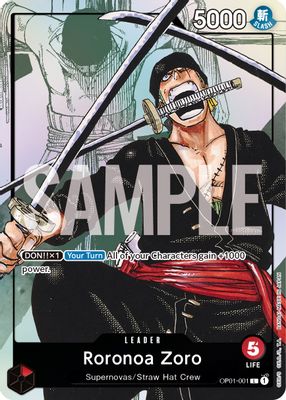


TCGplayer market estimates. Condition and grading affect value.
 OneDex FOR IPHONE
Your next chapter starts with a scan.
Put your collecting plans into practice. Scan your cards, organise what you own and follow your collection’s value with OneDex.
Scan · Collect · Follow its value
Download on the App StoreTake a look inside